
Our Founder and Executive Director
Ronnie Lillard.
He founded We The Revolt and leads it today. He came up inside the conditions this work exists to change, and he walks the line between the pulpit and the streets for the people still inside them.
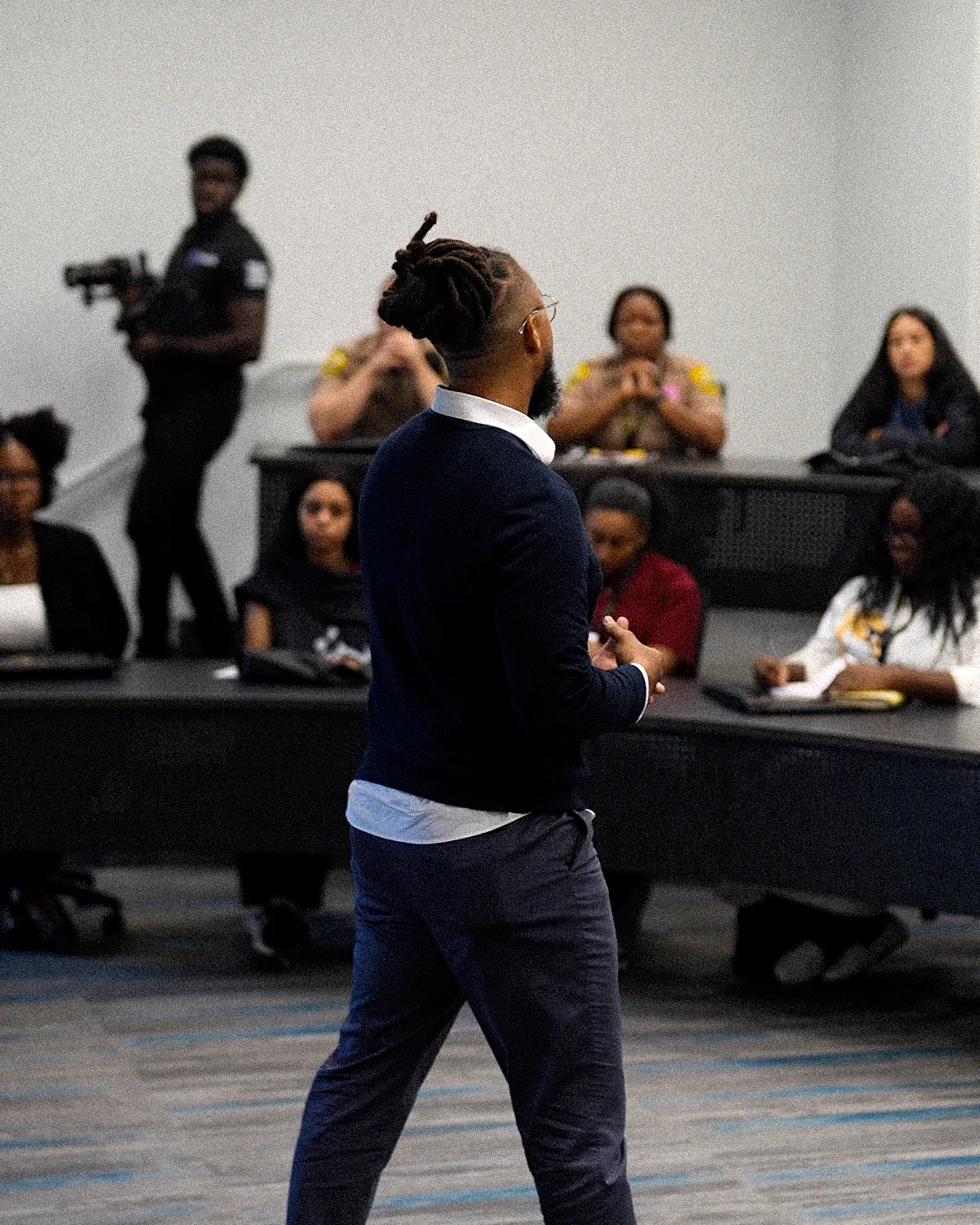
Meet our founder
Music, ministry and advocacy, braided together.
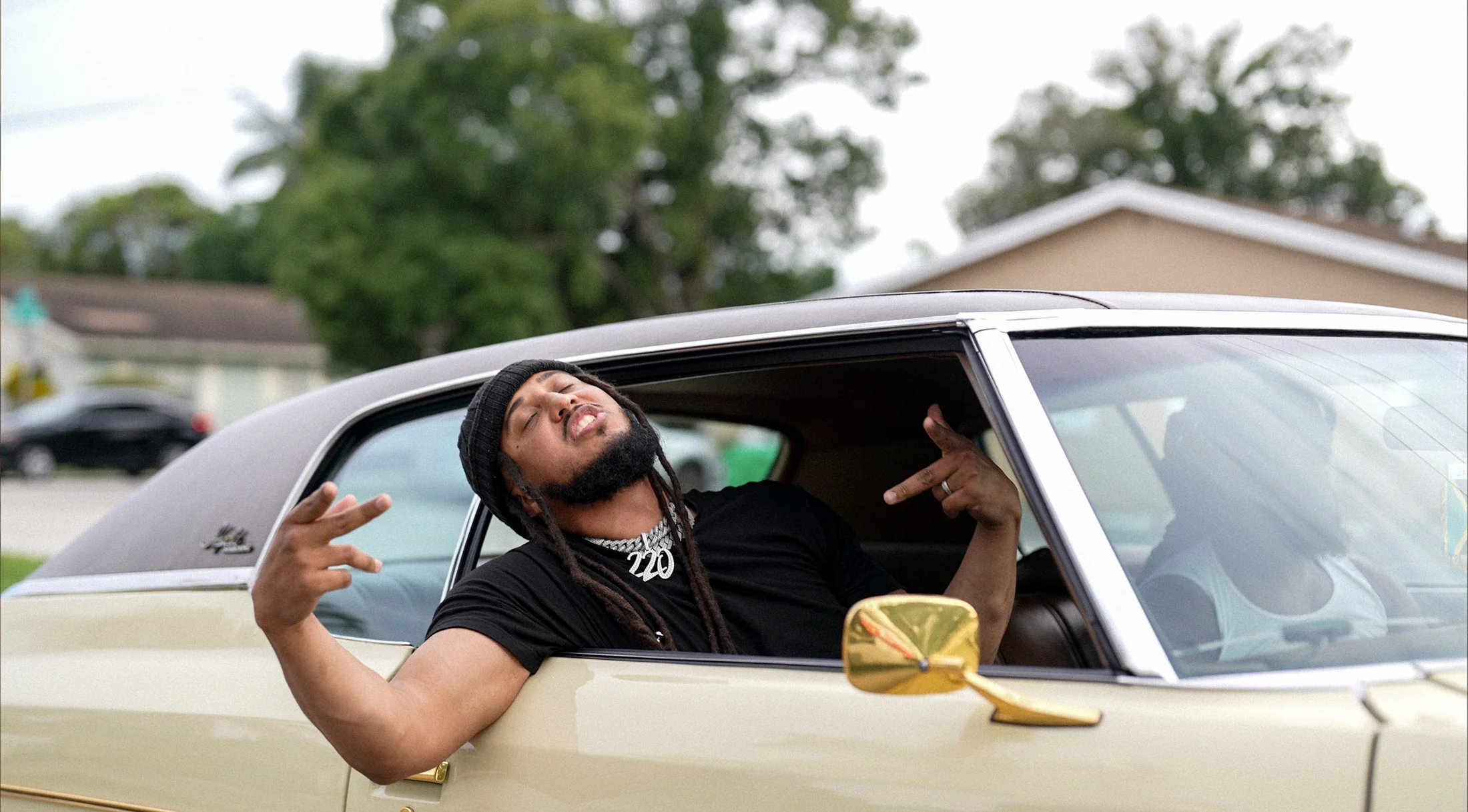
Ronnie Lillard, known to many as the artist Reconcile, has spent his adult life in the places most people drive past: housing projects, probation offices, detention centers and the rooms where laws get written.
His mission is a single one. Free minds, inspire hearts, and fight for the people trapped in cycles of poverty and injustice.
Rice UniversityDivision I football and a triple major
Master’sPublic Administration, Barry University
ReconcileRecording artist
TEDx 2022Speaker on juvenile justice

01
Fort Myers
Make it to the next day.
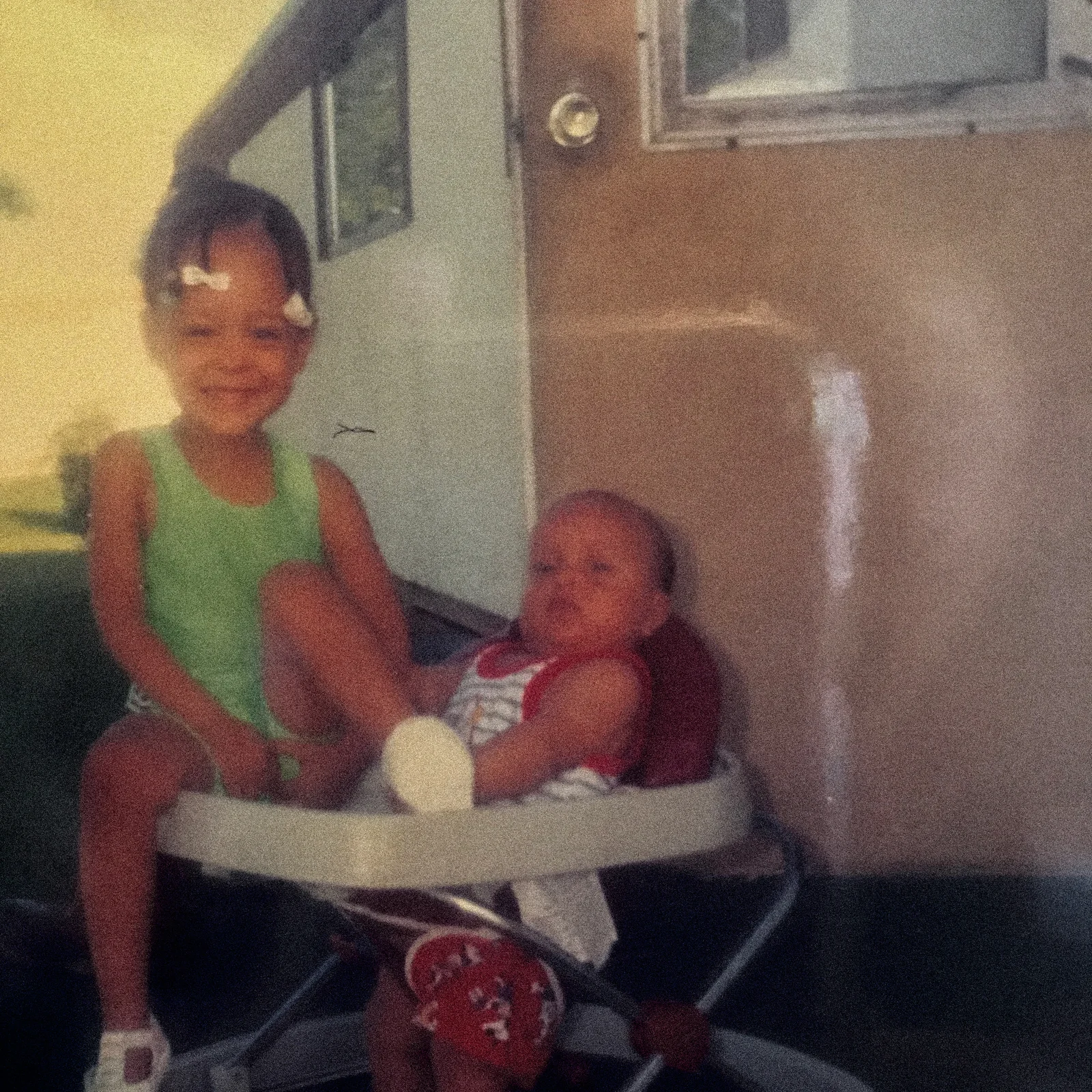
He grew up in Fort Myers, Florida, in a family that knew poverty well. Empty refrigerators. Living check to check and job to job. There was abandonment, there was death, and there was family incarceration. There was a lot of trauma in his home.
As a juvenile he had a gun held to his chest. He was shot at in an attempted drive-by meant to scare him, and he was jumped more than once. None of it seemed unusual, because it was the norm for the friends and family around him: people living in poverty with daily trauma and too few resources, until the outlook on life narrowed to survival. Make it to the next day. Make it to the next check.
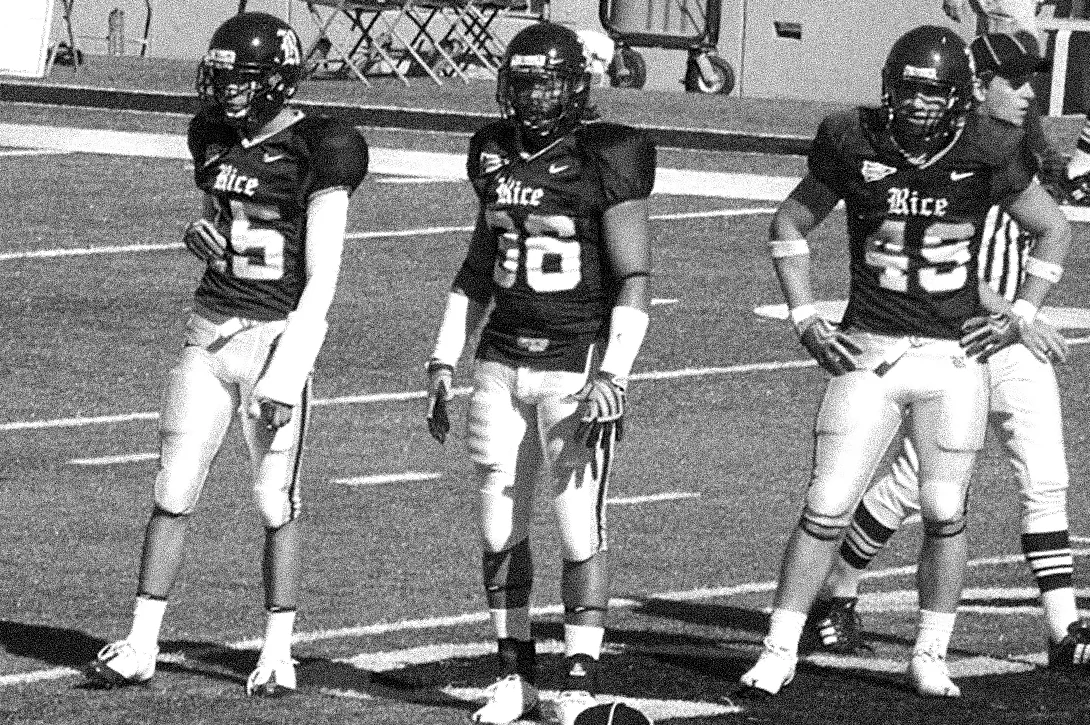
Football became the door.

02
The turn
Christ reordered everything.
While he was living with his grandmother and still on probation, a man named David Estrada introduced him to Jesus Christ. He became a young man on fire for the kind of change only Christ can bring, and the door football had cracked open swung wide.
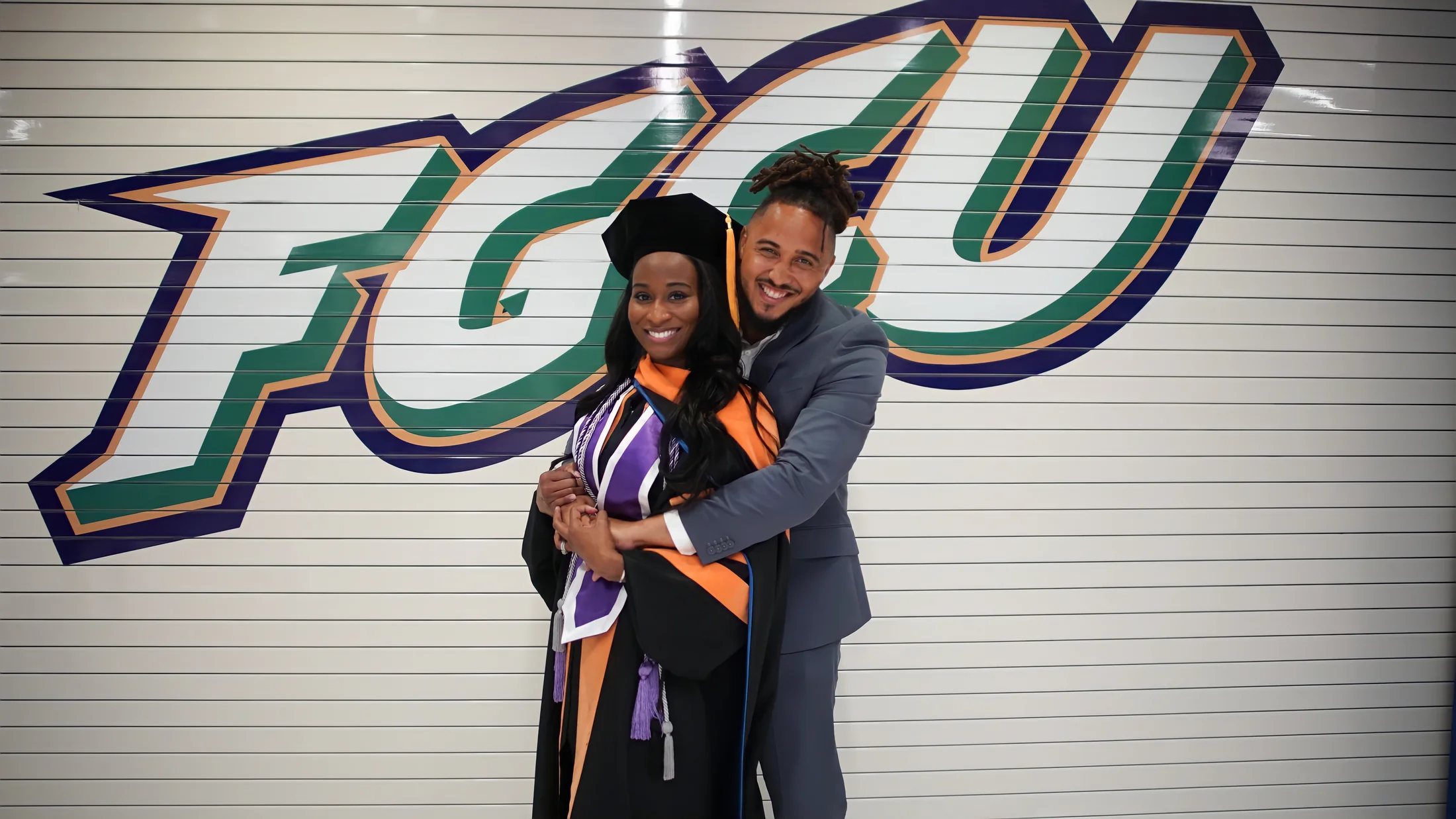
He earned a scholarship to Rice University, where he played Division I football and completed a triple major in religious studies, sociology and philosophy. He later earned a master’s in public administration at Barry University.
The road
From Fort Myers to the work.
- Fort Myers
Comes up in Fort Myers, Florida, where football becomes the one door that looks like a way out.
- The turn
Living with his grandmother and still on probation, he is introduced to Jesus Christ by David Estrada.
- Rice University
Plays Division I football on scholarship and completes a triple major in religious studies, sociology and philosophy.
- 2011
Mentors young people through gang intervention work and helps plant a church in Houston’s Third Ward.
- 2012
Founds Live Frontline for gang-involved youth in Houston.
- Sacrifice
His album reaches No. 2 on the iTunes rap chart, No. 7 on Billboard’s gospel chart and No. 21 on Billboard’s rap chart.
- Miami
Directs juvenile justice re-entry efforts for Miami and Broward County and helps draft two state bills on police reform.
- 2020
Becomes a leading voice for justice and systemic change after the death of his friend George Floyd.
- 2022
Takes the TEDx stage on the failures of the juvenile justice system.
- Today
Leads We The Revolt from Miami, with hubs in Chicago and Houston.
03
Third Ward, Houston
Church in the Bricks.
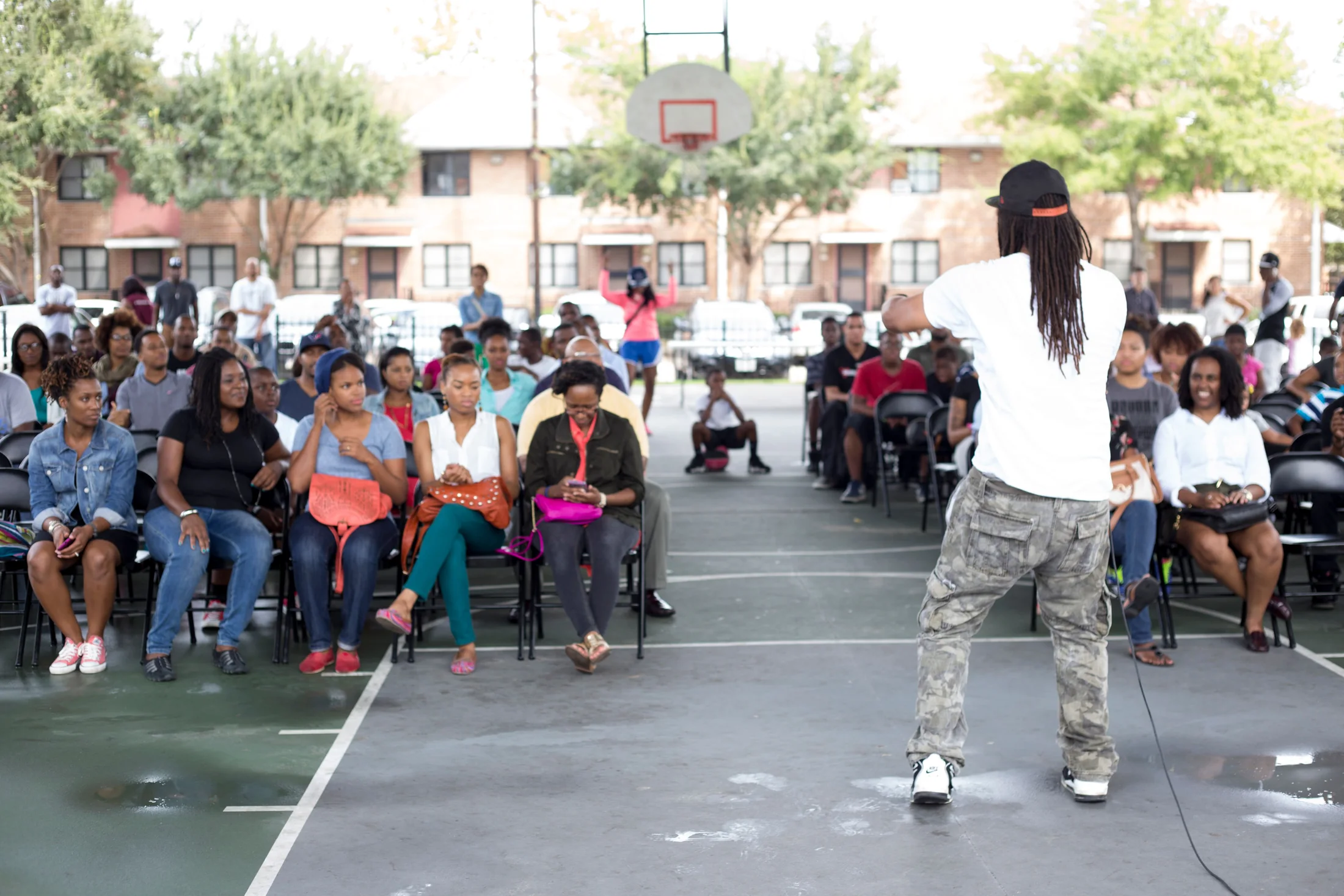
At Rice he was discipled by Patrick Ngwolo, an attorney who led Bible study on campus and ministry in the Cuney Homes housing projects, and who today serves as our lead attorney. Under that mentorship, the streets he came from and the faith that found him stopped fighting each other.
In 2011 he began mentoring young people through gang intervention work and helped Patrick plant a church in Third Ward. Out of it came Church in the Bricks, worship held inside Cuney Homes. In 2012 he founded Live Frontline for gang-involved youth, and it became an essential partner to the city’s probation services.
04
Reconcile
Named for the God who restores.
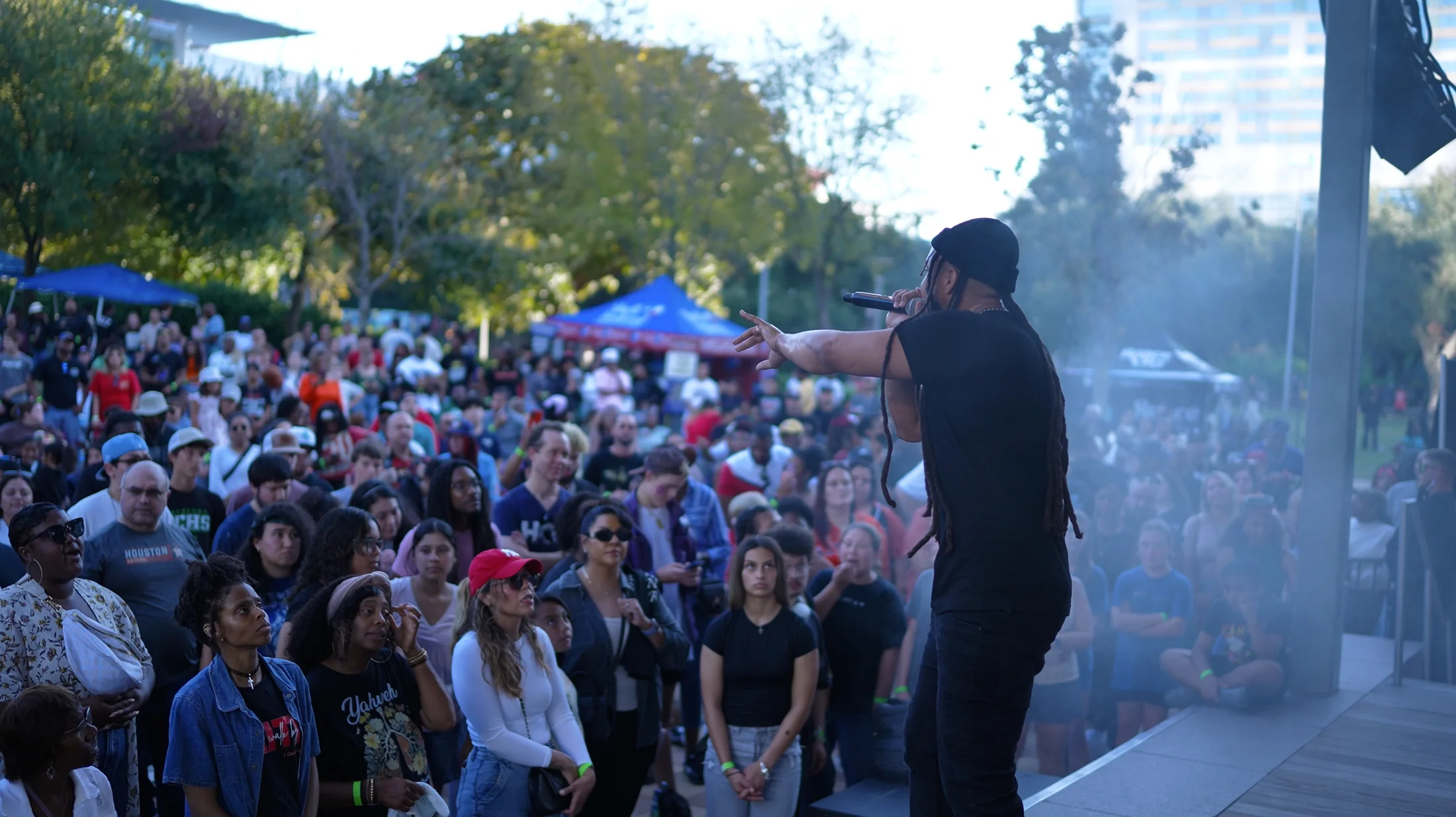
He began rapping in hole-in-the-wall churches across Third Ward while carrying a full athletic and academic load, and took the name Reconcile, after the God who restores all things to Himself.
The music is raw and unflinching about where he came from. His album Sacrifice reached No. 2 on the iTunes rap chart, No. 7 on Billboard’s gospel chart and No. 21 on Billboard’s rap chart, telling the truth about the inner city: its pain, its injustice and the redemptive power of faith. The Streets Don’t Love You series followed, and its second and third volumes each reached No. 5 on iTunes hip hop.
05
Policy
From the block to the bill.
Back in Miami he directed juvenile justice re-entry efforts for Miami and Broward County, where he built programs to reduce recidivism and give young people a real second chance. He helped draft House Bill 1513 and Senate Bill 1970, legislation on police reform, de-escalation and mental health support for officers.
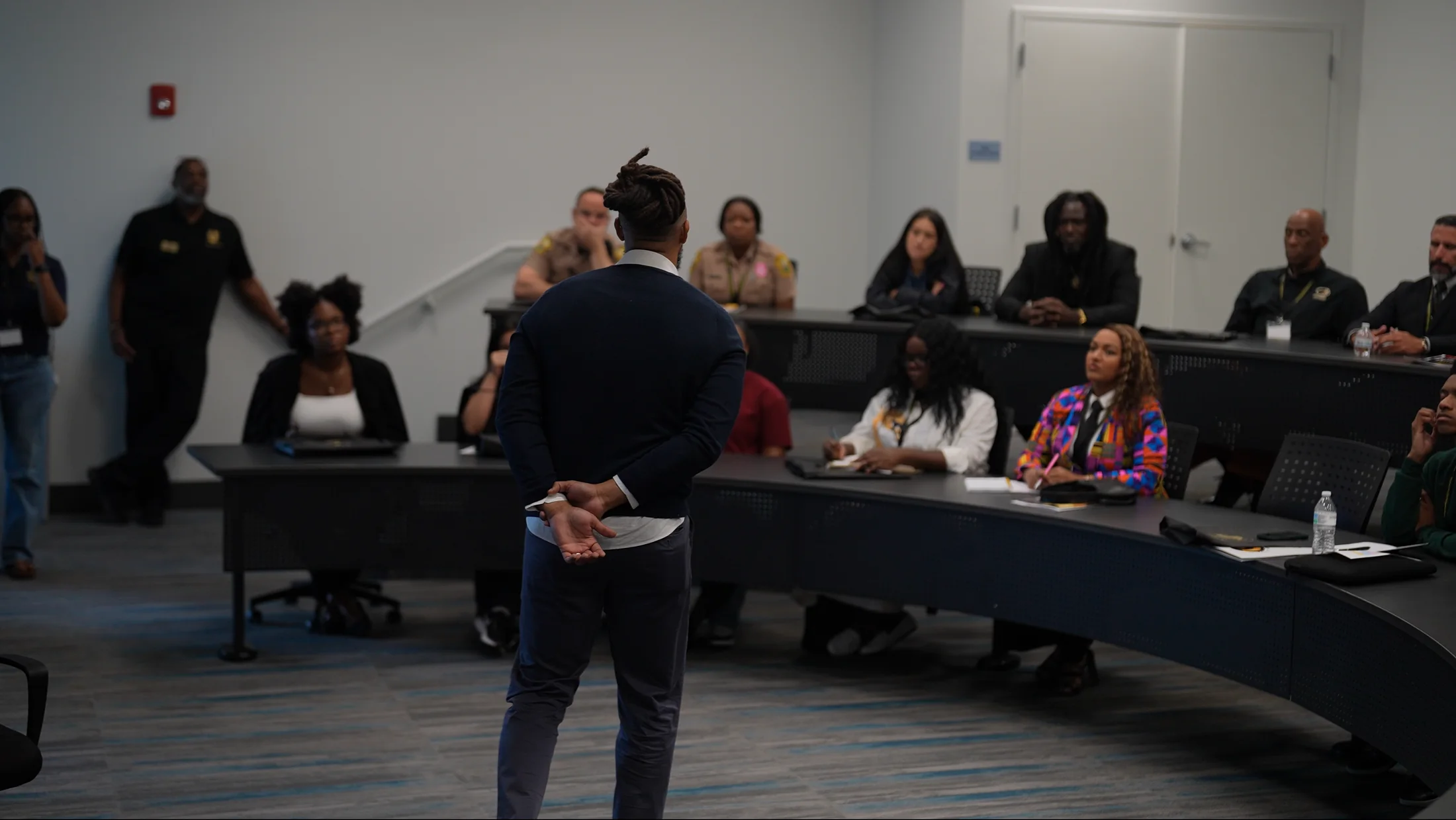
In 2020, after the death of his friend George Floyd, he became a leading voice for systemic change. He worked with Miami’s mayor and state attorney on policing and juvenile justice reform. In 2022 he took the TEDx stage to confront the failures of the juvenile justice system and the cultural cost of glorified violence in music.
If we are not working with 25 and under, we are not doing adequate public safety.
Ronnie Lillard

06
On set
Stories the people in them recognize.
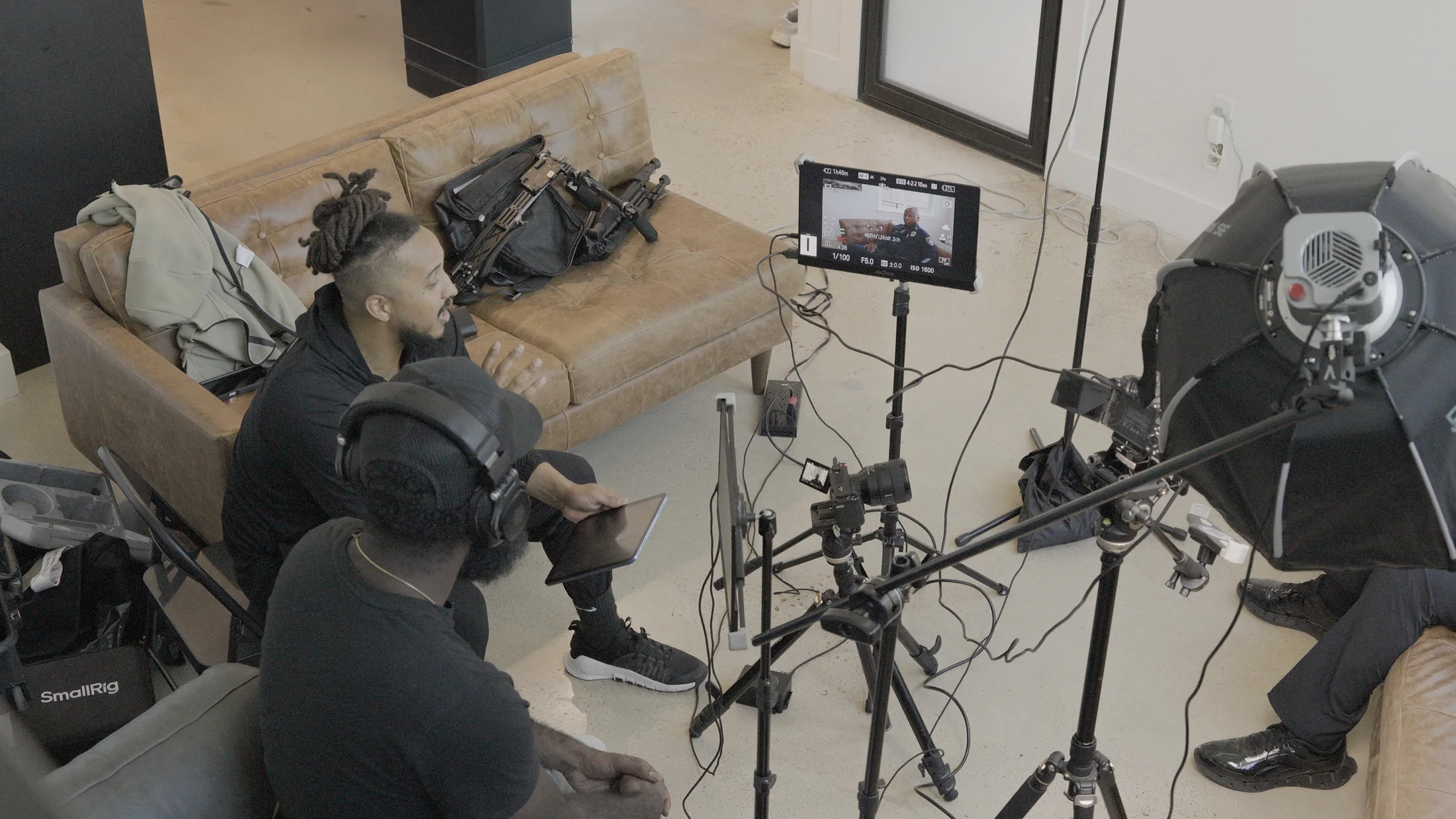
With production partners, he helps bring to the screen stories the people living them would recognize as true. The camera goes where the work goes, and it puts the people closest to the problem in front of it.
He co-directed the docuseries Hip Hop Hope with Bobby Trey Herring, and developed the story for Normalized with Nijalon Dunn. We The Revolt co-produced and edited The Ritual of Manhood, directed by Sylvia Jones in Chicago. See the films.
07
Today
Leading We The Revolt.
Today he leads We The Revolt from Miami, with hubs in Chicago and Houston. It is a Christian movement, and the work is civic: courts, schools, neighborhoods, city hall.
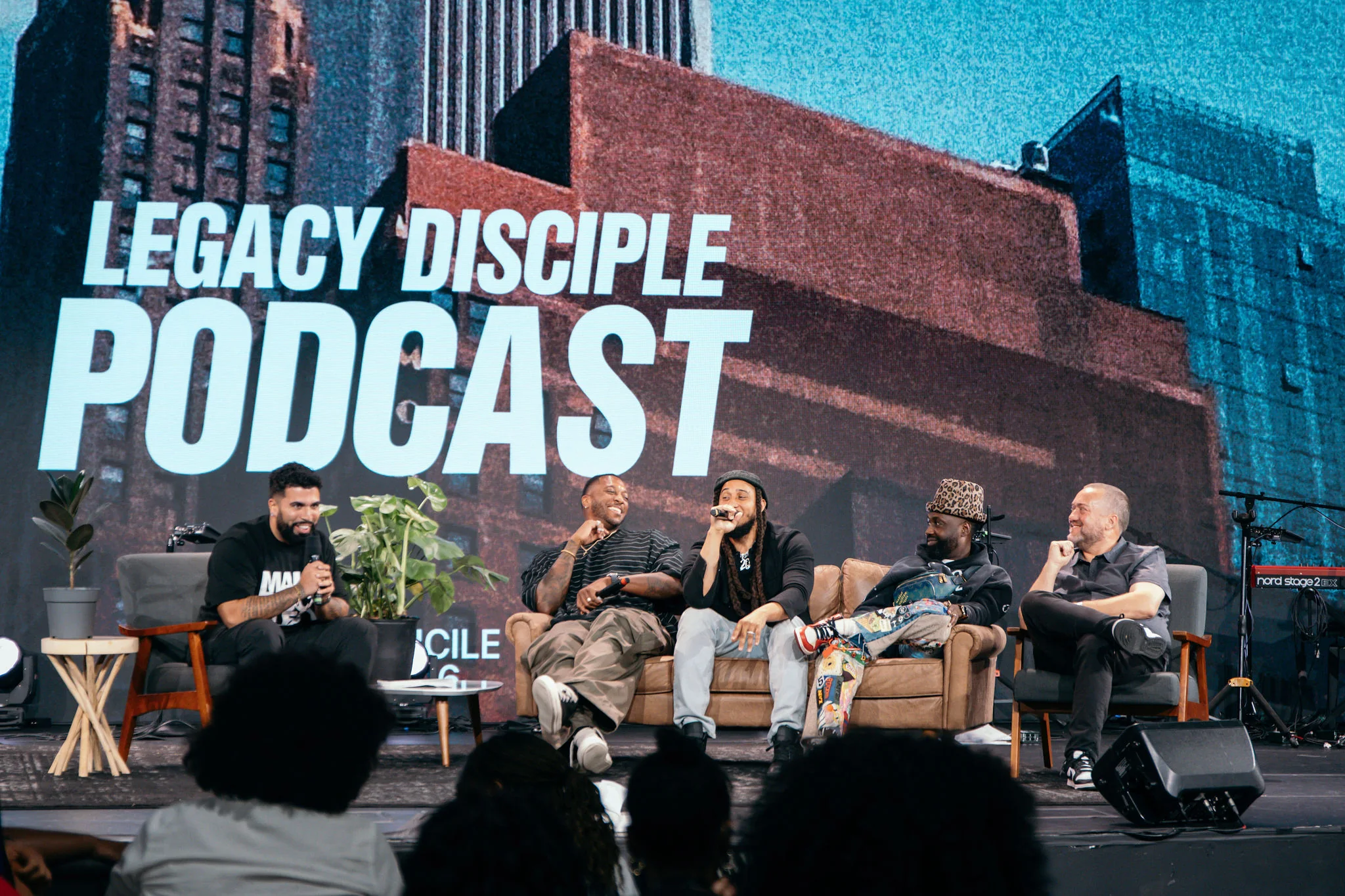
He sits on stages where faith, culture and leadership are worked out in public, and he speaks the language of hip hop because it is the language the young people we serve speak.
08
Home
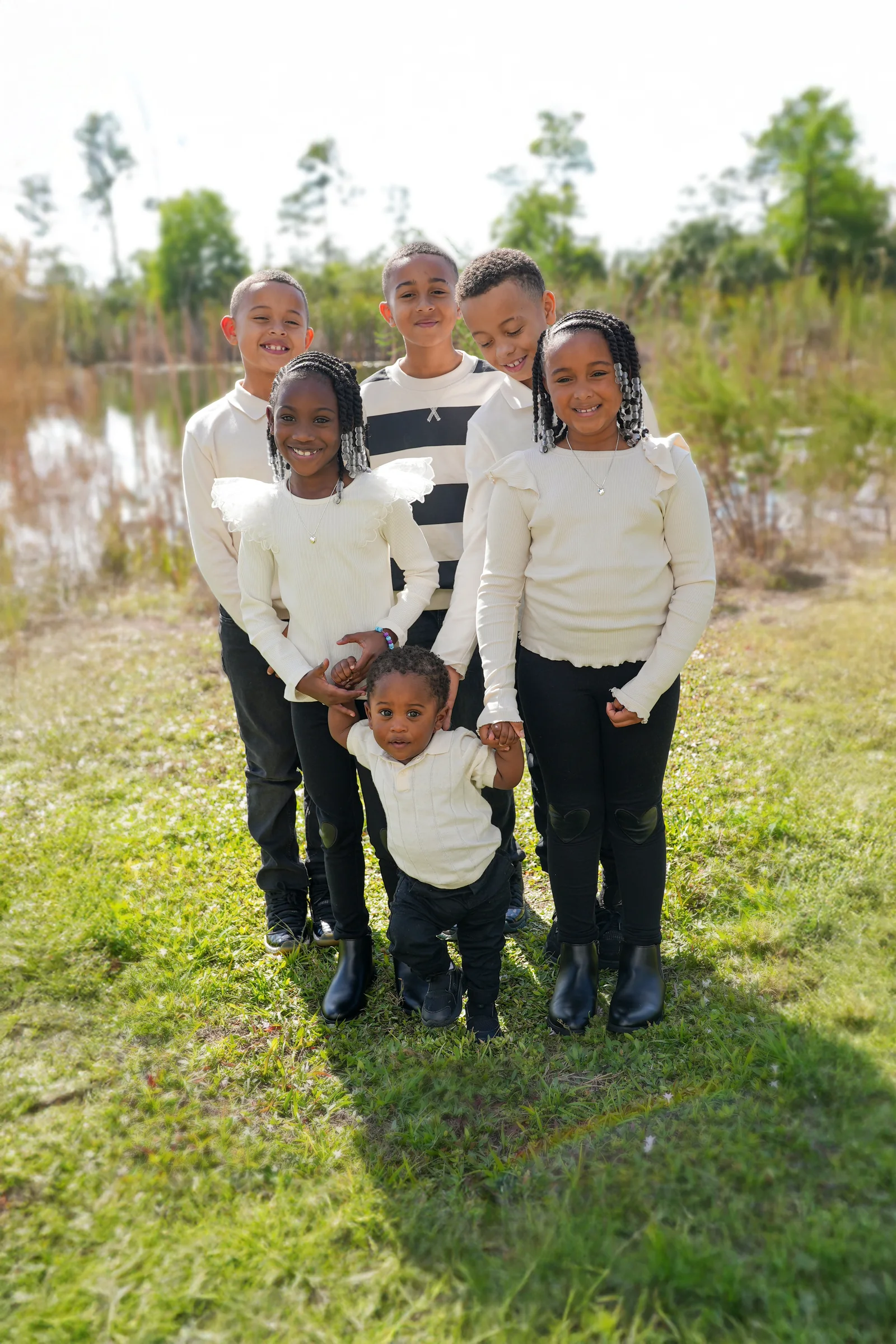
Husband and father.
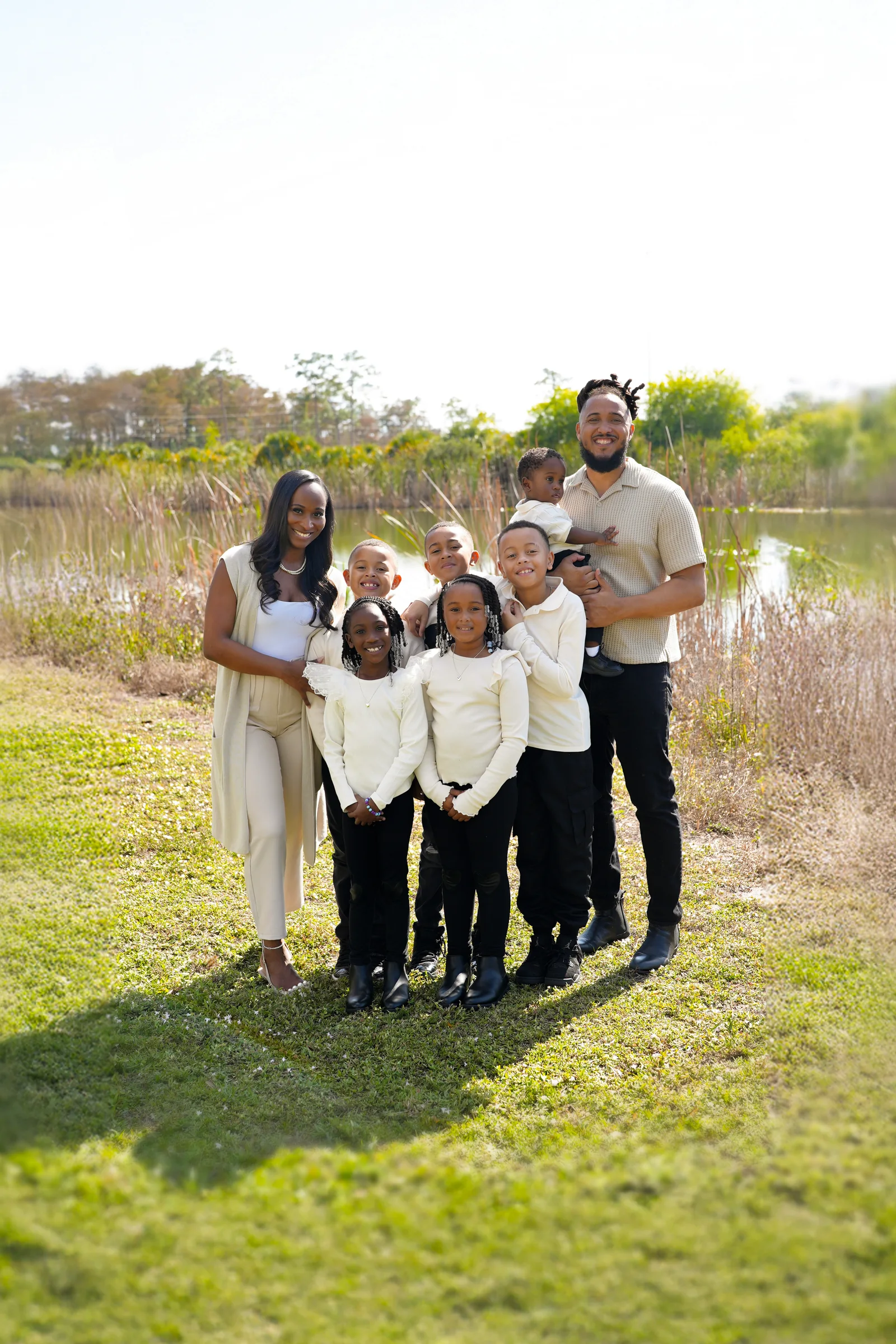
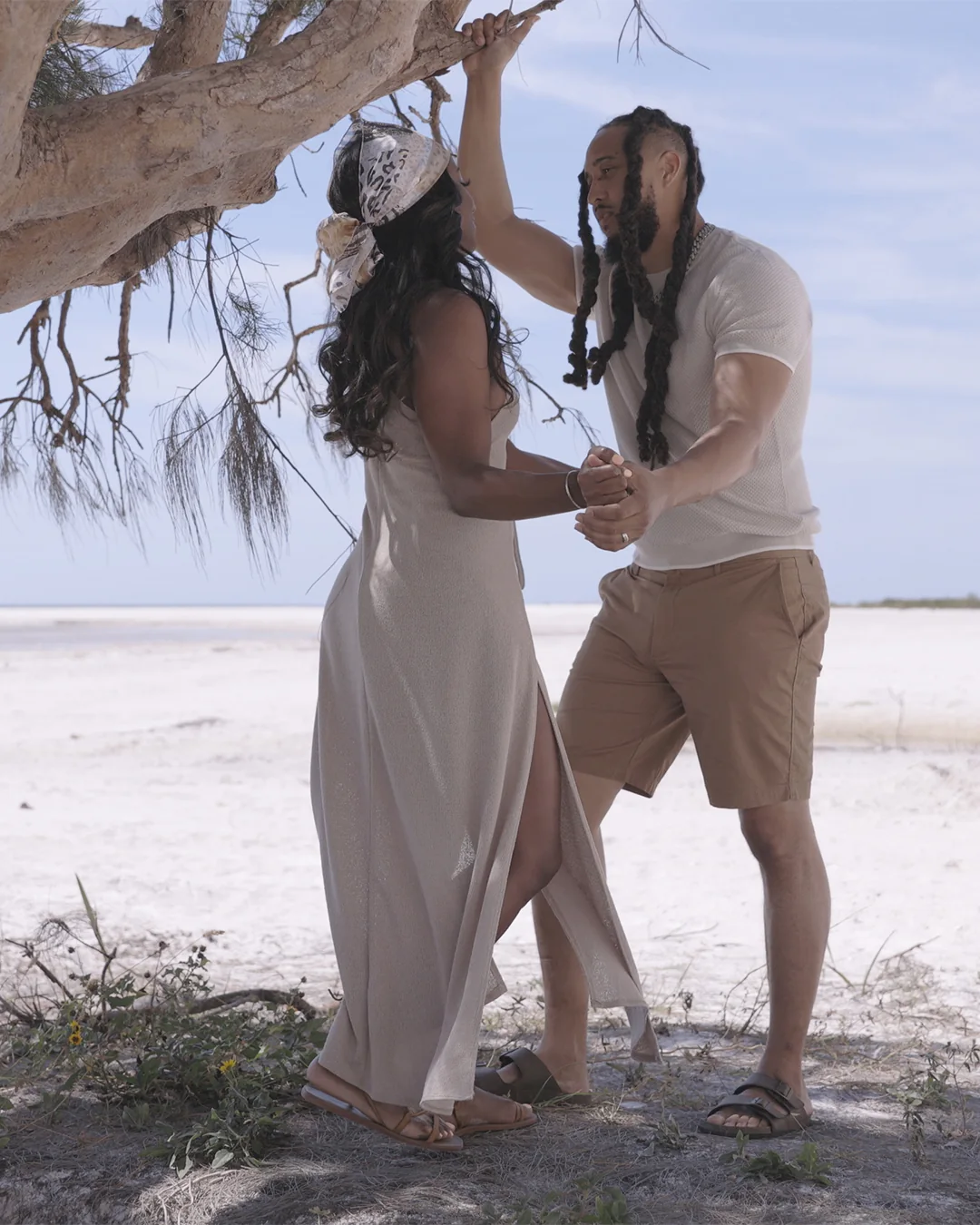
Before any title, he is Christine’s husband and a father. What We The Revolt asks of fathers, he asks of himself first, at his own table.
Our fatherhood and biblical manhood work comes out of that conviction. A man who wants to change a city starts with the people who share his last name.
Invite Ronnie
Bring him into the room.
Keynotes, lectures, trainings for courts and agencies, churches, campuses and press. Tell us about the room and the people in it.