
Sunday, November 22Lament
The Psalm With No Turn
But unto thee have I cried, O LORD; and in the morning shall my prayer prevent thee. LORD, why castest thou off my soul? why hidest thou thy face from me?
DevotionalSunday, November 22

Or read it here
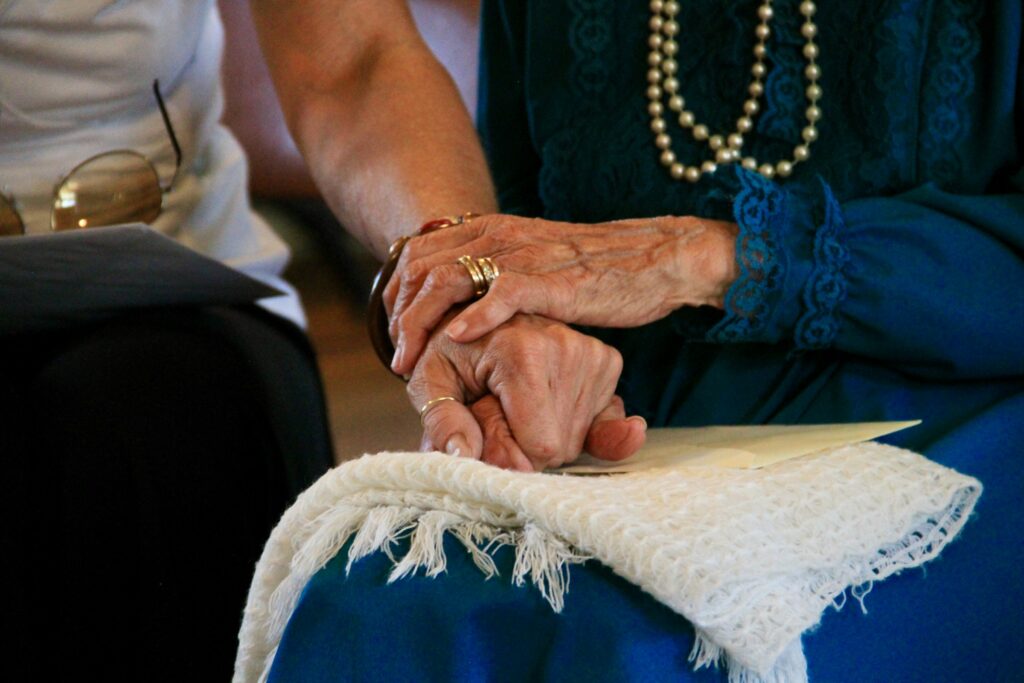
The repast was in a fellowship hall: folding tables, sweet tea in a cooler, a sheet cake somebody’s cousin brought and nobody cut. A grandmother sat at the end of the first table with the program folded in half in her hand. Her grandson’s face was on the front, with nineteen years between the two dates.
People came by in a line. He’s in a better place. God doesn’t make mistakes. God needed him more than we did. She nodded at every one of them like she was signing for packages.
In the parking lot, engine running, heat on, she asked the question she had not asked inside. “Am I allowed to be mad at Him?”
These notes are blended from more than one week, faces mixed so no family is exposed. The question is the part that is real, and it does not belong to one woman.
Most of us were taught to hurry to the turn. Nearly every lament psalm bends somewhere. “But I have trusted in thy mercy” (Psalm 13:5). “For I shall yet praise him” (Psalm 42:5). Psalm 88 never bends. Heman the Ezrahite starts in the dark, and in Hebrew the last word of his prayer is darkness. No resolution, no chorus. The Holy Spirit put that psalm in the Bible and left it unfixed.
But unto thee have I cried, O LORD; and in the morning shall my prayer prevent thee.
In 1611 English, prevent means to go before. Heman feels thrown away by God, and he plans to be at God’s door before the sun. That is what faith looks like when it has nothing left to feel. It keeps facing the One it is hurt by. Nobody shouts at an empty sky. You only accuse Someone you believe is there and could have stopped it.
Here is where it gets close. Many of us have not stopped believing. We have stopped telling God the truth. He gets the clean version at breakfast, with thanks for the food. The real version goes to the group chat, the second drink, the phone at 1 a.m. We call it being busy. A lot of prayerlessness is a protest we are too polite to file.
Grief that goes unspoken does not leave. It moves to the basement and runs the house from there: the short fuse with your kid, the deadness during worship, the eighty-hour week that keeps you from being alone with your own mind. Some of us grew up in homes where crying earned a consequence. We learned to lead well and feel nothing on purpose.
Jesus did not pray that way. In the days of his flesh he offered up “prayers and supplications with strong crying and tears” (Hebrews 5:7). On the cross he prayed a lament out loud, the psalm that asks why. The Son of God went down into Heman’s pit, “counted with them that go down,” friends scattered, and he went there for people who had made peace with their masks. So your darkness is not a room God has never entered. And because the tomb is empty, lament is what hope sounds like before morning. Nobody asks “how long” unless they believe there is an end.
When a nineteen-year-old is buried from a block that has buried others, grief has a public side. A church that cannot lament will make peace with things God has not. He’s in a better place can become a way of never asking why his street is still the same place.
Tell Him the version you have been telling everyone else. Leave it unfixed if it is unfixed. Get to His door before the sun does.
Pray
Lord, I have been giving you the polite version. I thank you for the food and take my real complaint everywhere else: to my friends, to my phone, to whatever numbs it fastest. I have called it busyness, but some of it is that I am hurt and did not think I was allowed to say so to you. Here it is. I do not understand why you let this happen. I am still here, talking to you, because I have nowhere truer to go. Jesus, you cried with strong tears and went into the dark for me. Meet me in mine, and keep me facing you until the morning comes.
Practice
Before you open your first email, write one honest paragraph to God about the loss or disappointment you have been managing, with no tidy ending, and read it to Him out loud. Then read Psalm 88 in full.
Carry
Tell Him the version you tell everyone else.