
Original reporting · NPR
Imprisoned on Flimsy Evidence, He Began Quilting. Now His Work Is in Museums.
What happened
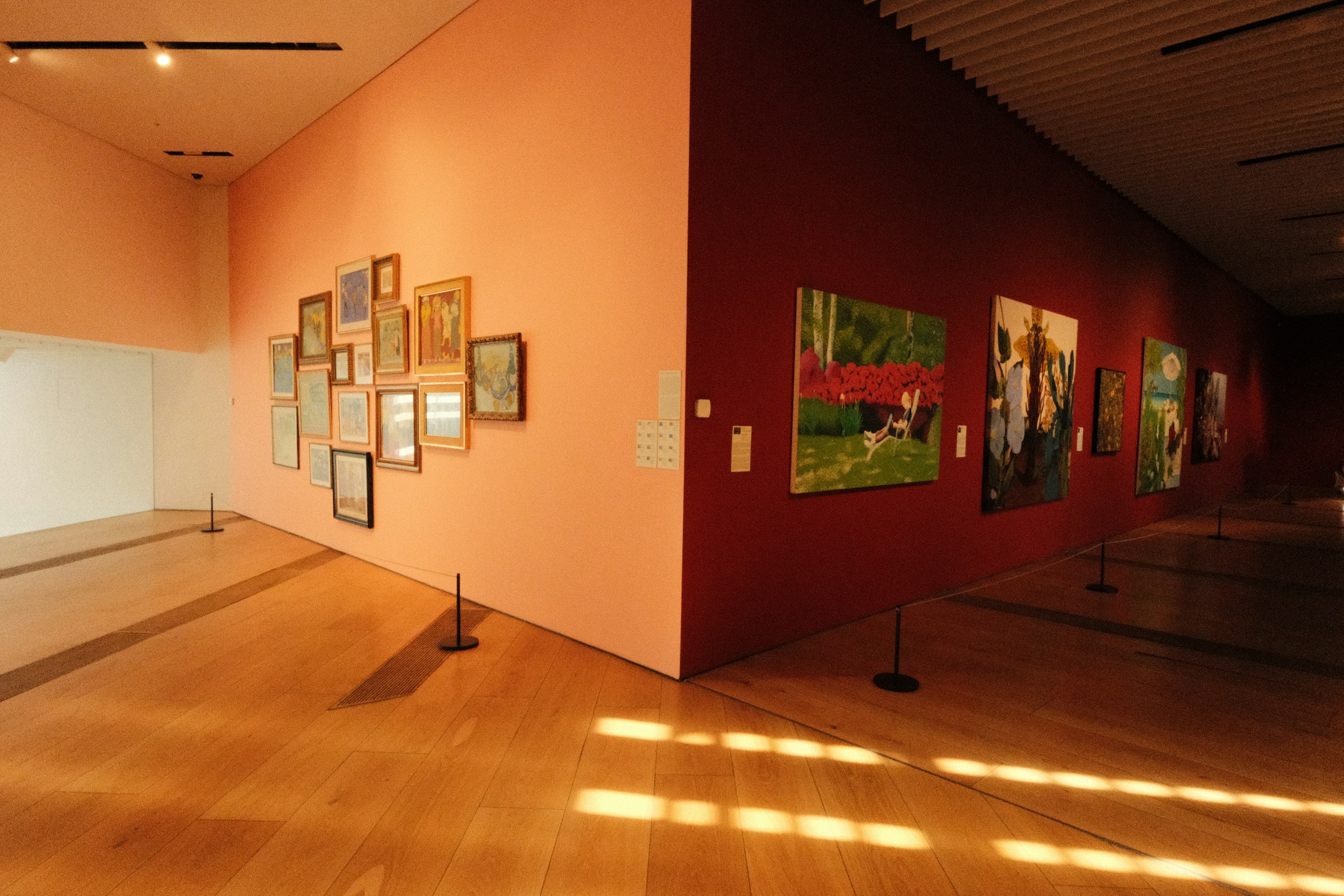
Gary Tyler, 68, has his first solo museum exhibition, “Gary Tyler: Rebirth,” at the Grand Rapids Art Museum in Michigan through Jan. 3, NPR reported. According to NPR, the Smithsonian has acquired one of his quilts. NPR framed his story as living “all of your adult life behind bars for a murder you didn’t commit.”
According to NPR, Tyler was 16 in 1974 when a white 13-year-old was shot and killed in Louisiana during violence against school integration. NPR reported that Tyler was put in a police car for “mouthing off” and then charged with murder. NPR described his defense by a divorce lawyer as incompetent. It also reported that four friends testified against him and later recanted, and that the judge told an all-white jury to assume he meant to kill multiple people. He was sentenced to death, the youngest person on death row at the time, and he has always maintained his innocence, NPR reported.
At the Louisiana State Penitentiary, known as Angola, Tyler and other men started a hospice program in the late 1980s, NPR reported. They made and sold quilts to pay for coffins, and one quilt raised $30,000 at the Angola Prison Rodeo. NPR reported that the state pardon and parole board recommended a pardon three times and the governor refused each time. After a 2016 U.S. Supreme Court ruling required resentencing for people given life without parole as juveniles, the St. Charles Parish district attorney proposed a manslaughter sentence. Tyler agreed and was released soon after. The district attorney declined to comment to NPR.
Tyler told NPR that the terms of his release were another injustice: “The [criminal justice] system is unfairly administered, especially to the people of color and poor people in the United States.” Wanda Bertram of the Prison Policy Initiative told NPR that many people in prison “have shocking stories to tell about the defense they received.” His portrait quilts now honor people he knew inside. According to NPR, only two of the five he named have been released.
Our reflection
Look closely at the quilt called Captivity, 1974. It shows a boy a month into jail, still in the shirt and bandana he picked out for school, sure the charge would not stick. It held him for more than four decades. On the other side of that day is a 13-year-old who never came home and a family that buried him. Both families deserved a courtroom that told the truth.
Think about that police car for a second. He was put in it for “mouthing off.” Most of us have judged a teenager on less, his clothes or his tone. I have done it. That quick verdict in the gut is where a lot of injustice starts, long before a jury is seated. Jesus put murder in the heart for a reason. A system is that same gut verdict, trusted by ordinary people in police cars and courtrooms case after case. It still runs that way wherever a poor kid gets a lawyer who should not be in the room.
Jesus knows this from the inside. Mark says plainly that the witnesses against him lied and could not get their stories to agree. The man with the power to let him go washed his hands of it. Then comes a detail I love. Joseph of Arimathea and Nicodemus take down the body of a condemned man and wrap it in linen, because someone had to treat him as holy (John 19:38 to 40). Men at Angola sewing quilts to buy coffins for the dying are doing that same work. Men the state had written off honored each other in a place built to forget them. “The least of these” was being served in a prison hospice.
And the tomb did not hold. Tyler named his show Rebirth. When God raises the condemned, a false verdict does not get the last word. Tyler came out and kept stitching the faces of people still inside. Faithfulness to people nobody is watching is what the Spirit’s fruit looks like after forty years.
Change has a shape here. A court ruling about children sentenced to die in prison opened a door that three pardon recommendations could not. Policy decides who gets a real defense at 16. It also decides who gets a second look decades later. At We The Revolt we work inside juvenile detention and stay beside young people for twelve months after they come home. The boy in that photograph is still being booked somewhere this week. The earlier someone shows up for him, the fewer quilts like this anyone has to make.
Pray for Gary Tyler and for the family who lost a son in 1974. Then pick one step below and take it before Friday.
For many bare false witness against him, but their witness agreed not together.
Mark 14:56
Your move
- Pray for Gary Tyler and the family who lost a son in 1974
- Ask your state lawmakers how they fund lawyers for teenagers charged as adults
- Volunteer inside juvenile detention with us in Miami, Chicago or Houston
- Give monthly to keep mentors beside young people coming home
- Send this brief to someone who thinks people never change
Source: NPR, “Imprisoned on Flimsy Evidence, He Began Quilting. Now His Work Is in Museums.”